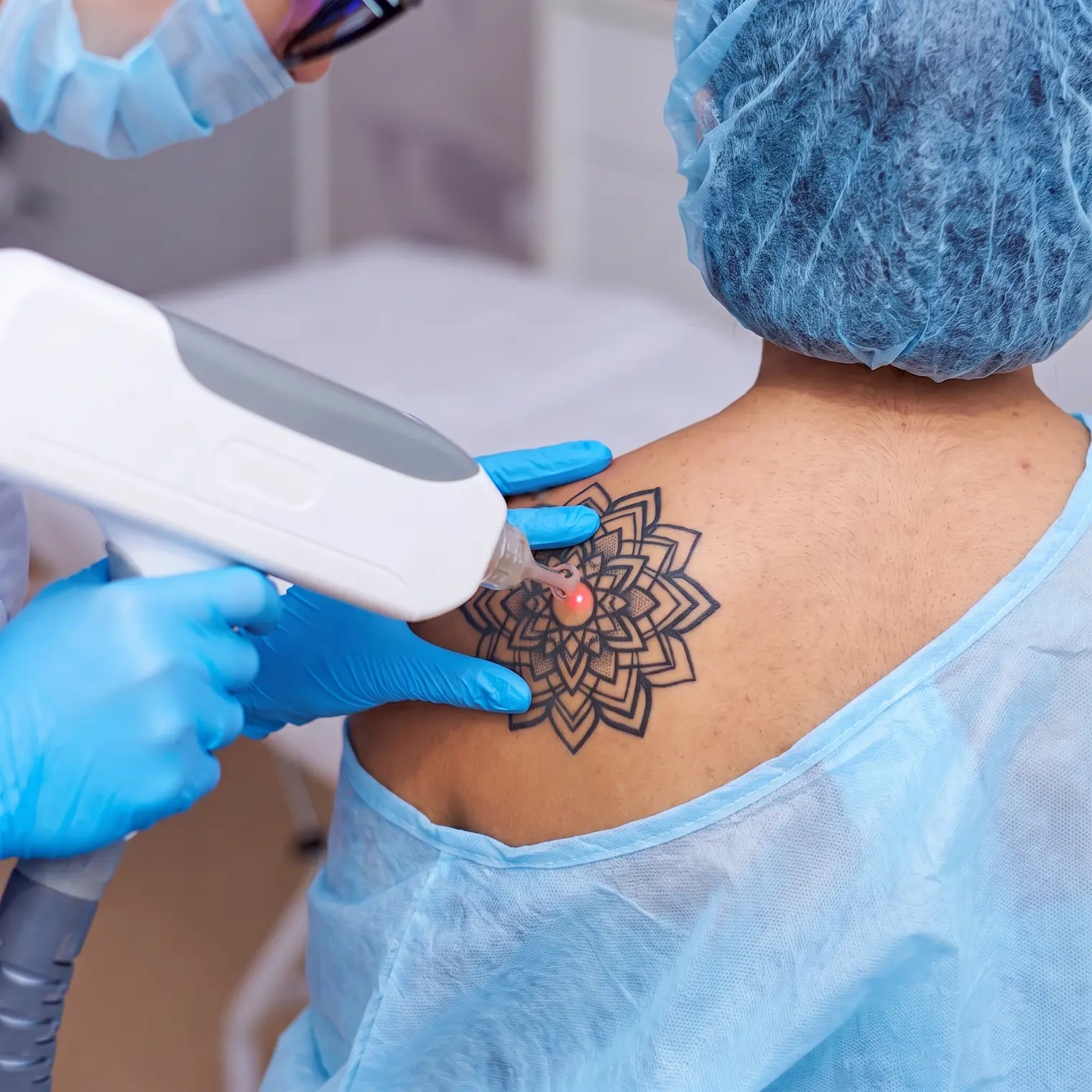
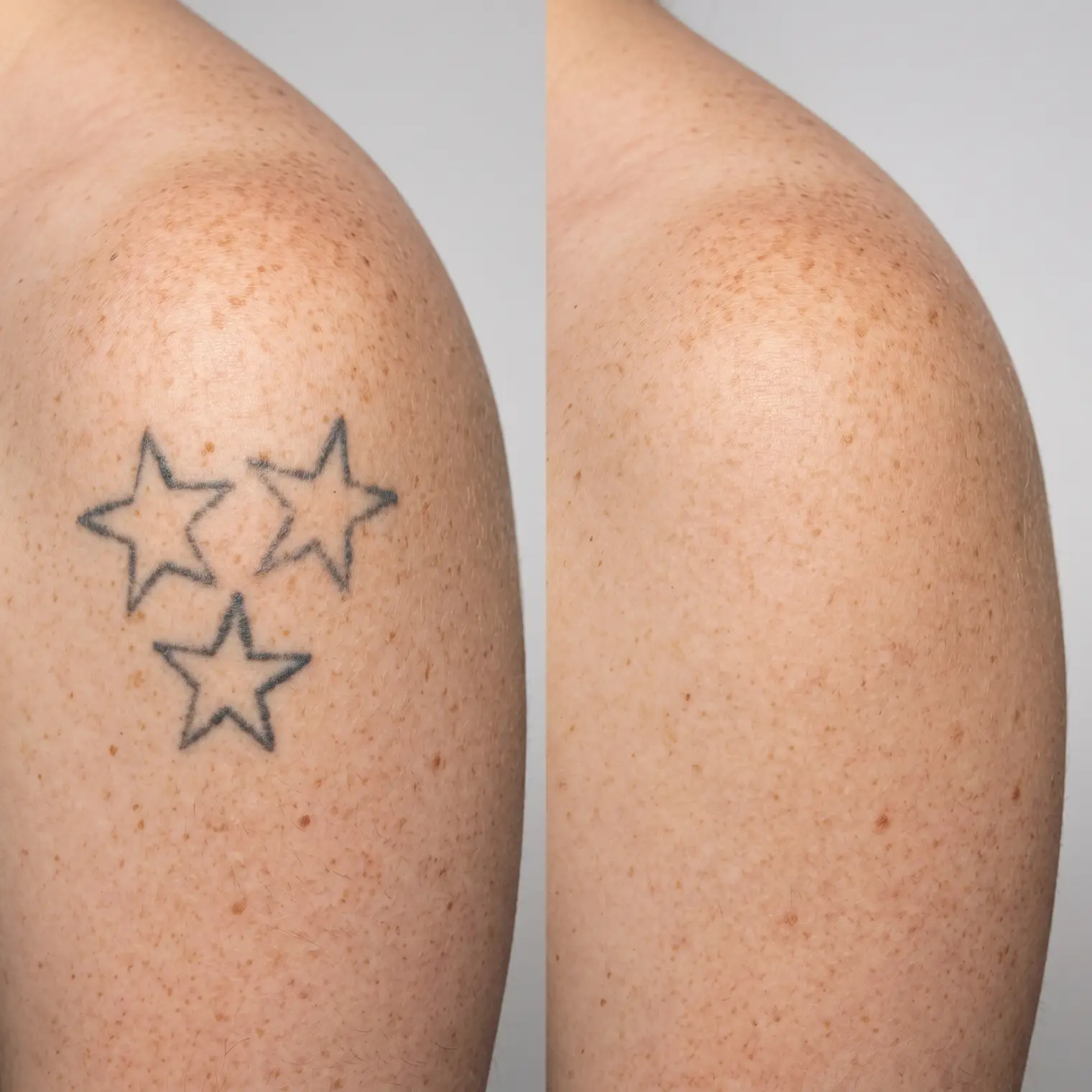
Some things are near-universal, others are rare. Here is an honest ranking, from common redness to rare true scarring, so you know what to actually expect and what to actually worry about.
10 min read·Last Updated: July 18, 2026
⚡ Quick Answer
Redness, swelling, and temporary pigment changes are common and generally resolve within days to a couple of weeks. Blistering is common enough to be considered normal for many clients. Hypopigmentation or hyperpigmentation are less common and usually temporary. True scarring and infection are rare, generally under 5 percent, when modern equipment and proper aftercare are used. Watch for increasing redness, discharge, or fever as signs to call your clinic promptly.
Most side effects are common, temporary, and manageable.
Side effect lists online often present every possible outcome with equal weight, which can make a routine, well-tolerated process sound alarming. This guide ranks what can actually happen by how common it is, so you can worry about the right things and not the wrong ones.
Nothing here replaces a direct conversation with your own clinic about your specific skin and situation, but it gives you a realistic baseline before that conversation happens.
"No, laser tattoo removal does not cause scarring in the vast majority of patients when performed with modern technology, appropriate settings, and proper aftercare."
Common reassurance from removal clinics discussing realistic risk
Get an Honest Risk Assessment for Your Skin
A Nashville clinic can evaluate your specific skin type and tattoo before you start.
Normal part of healing for many, resolves in 1-2 weeks
Under 5%
True Scarring
Rare with modern technology and proper aftercare
Common: Redness, Swelling, Blistering
Consistent aftercare reduces the odds of anything beyond the common list.
Redness and swelling immediately after a session are close to universal, and typically resolve within a matter of days. Blistering is common enough for many clients that it is considered a normal part of the healing response, generally developing within the first 8 to 72 hours and resolving within one to two weeks with proper care.
None of these represent something going wrong; they are the expected signature of a laser doing its job in the skin. The key is handling them correctly, mainly by not picking at blisters or scabs, which is the leading avoidable cause of worse outcomes.
Common
Redness, swelling, and temporary blistering. Expected and generally resolve within days to two weeks.
Less Common
Hypopigmentation or hyperpigmentation, more likely in darker skin tones, usually temporary.
Uncommon
Infection, when aftercare instructions are not followed closely.
Rare
True scarring, generally under 5% with modern equipment and proper aftercare.
Less Common: Pigment Changes
Hypopigmentation, where treated skin ends up lighter than the surrounding area, and hyperpigmentation, where it ends up darker, are both possible but less common than the basic redness-and-swelling response. These changes are more frequently seen in people with darker skin tones, since melanin interacts more with laser energy.
Most pigment changes are temporary, resolving as the skin continues to heal over subsequent weeks and months. In some cases they can be longer-lasting, which is part of why choosing a clinic with laser technology and settings appropriate for your specific skin tone matters.
Myth
Blistering after a session means something has gone wrong with the treatment.
Fact
Blistering is common enough to be considered a normal healing response for many clients, and typically resolves on its own within one to two weeks.
Myth
Scarring is a common, expected outcome of removal that everyone should plan for.
Fact
True scarring is rare with modern technology and proper aftercare, generally estimated at under 5 percent of cases.
Myth
All skin tones face the same level of risk for pigment changes.
Fact
Darker skin tones are more prone to visible hypopigmentation or hyperpigmentation, which is why appropriate laser technology and settings for your skin type matter.
Want Realistic Expectations for Your Specific Skin?
Tell us about your tattoo, and we will point you to a Nashville clinic that will assess your risk honestly.
Thanks! We will match you with the right clinic shortly.
Uncommon to Rare: Infection and Scarring
Proper aftercare keeps the odds of a clean result in your favor.
Infection is uncommon when aftercare instructions are followed closely, mainly keeping the area clean and avoiding picking at healing skin. It becomes more likely when those basics are skipped, which is why our aftercare guide exists as more than just a formality.
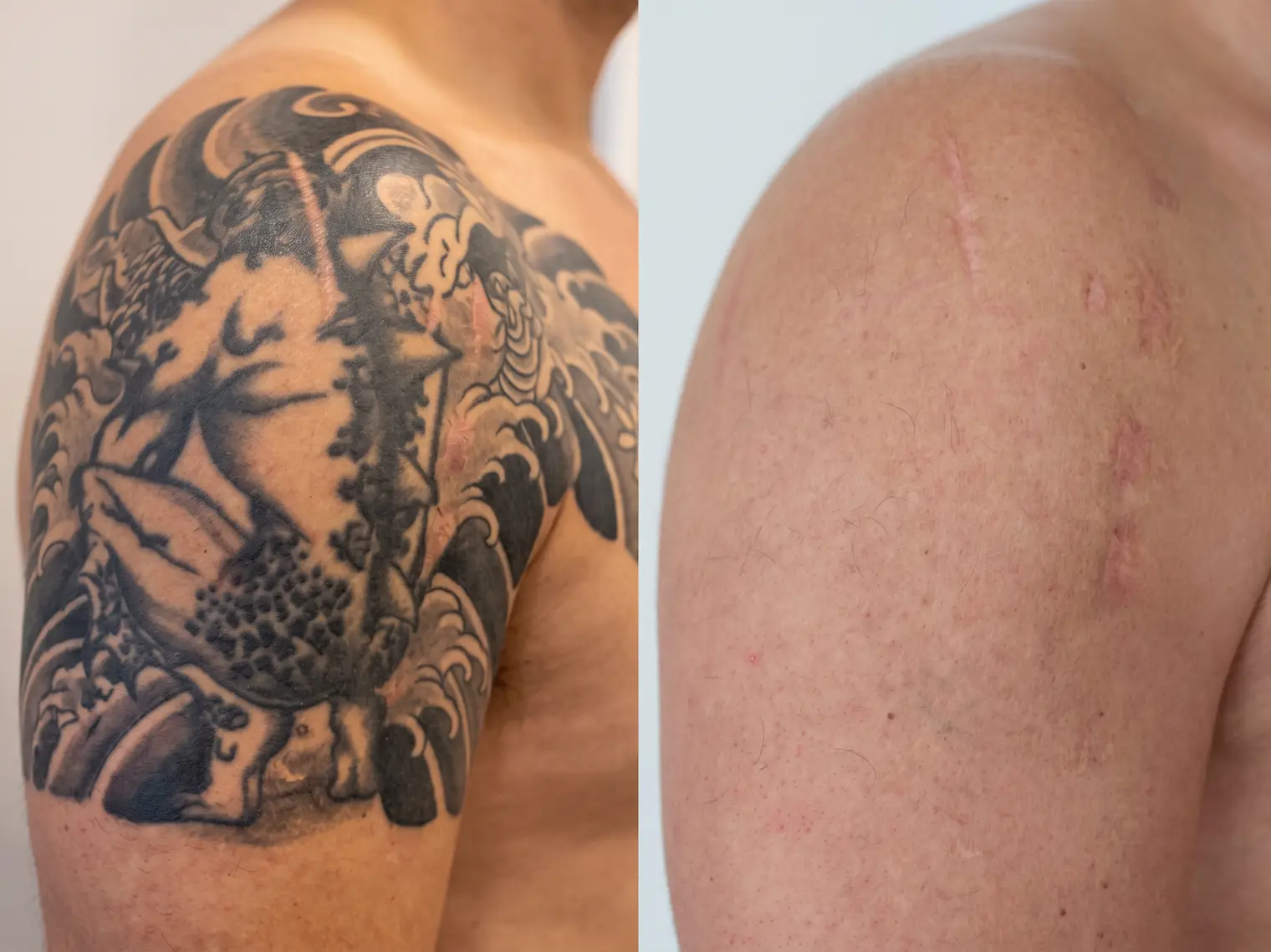
True scarring, meaning lasting structural changes like raised, indented, or textured skin, is rare with modern picosecond and Q-switched technology used correctly, generally estimated at under 5 percent of cases. Most instances that do occur trace back to older equipment, overly aggressive laser settings, or aftercare mistakes rather than the treatment itself being inherently risky.
When to Actually Call Your Clinic
Most healing symptoms are expected and simply require patience. A smaller set of signs is worth a prompt call rather than waiting: increasing redness or warmth that gets worse after the first couple of days, yellow or green discharge, a foul smell, fever, or red streaking spreading from the treated area. These are the signals that distinguish normal healing from something that needs attention.
✓
Reviewed by a tattoo artist with over 10 years of industry experience, who regularly helps clients separate normal healing symptoms from genuine warning signs.
Frequently Asked Questions
What are the most common side effects of laser tattoo removal?
Redness, swelling, and temporary pigment changes are the most common, affecting most clients to some degree and generally resolving on their own within days to a couple of weeks.
How common is scarring from laser tattoo removal?
Relatively uncommon with modern technology and proper aftercare. Industry estimates put true scarring risk at under 5 percent, with most cases traced to older equipment, overly aggressive treatment, or aftercare mistakes.
What is hypopigmentation and hyperpigmentation?
Hypopigmentation is when treated skin ends up lighter than surrounding skin; hyperpigmentation is when it ends up darker. Both are more common in people with darker skin tones and are usually, though not always, temporary.
Is infection a real risk after a removal session?
It is possible but uncommon when proper aftercare is followed. Keeping the area clean, avoiding picking at blisters, and following your clinic's instructions significantly reduce this risk.
Can removal cause an allergic reaction?
In rare cases, breaking down certain inks can trigger an allergic-type skin reaction. This is uncommon but worth mentioning to your technician if you notice unusual itching, hives, or a rash beyond normal healing.
What should prompt an immediate call to my clinic rather than waiting?
Increasing redness or warmth after the first couple of days, yellow or green discharge, a foul smell, fever, or red streaking spreading from the area are all signs worth calling about promptly rather than waiting to see if they improve.
Do side effects get worse with each additional session?
Not typically. Most clients experience a fairly consistent pattern of normal healing symptoms across sessions, though individual skin response and technician settings can shift things slightly from one session to the next.