← Back to Removal Guide Hub
Tattoo Removal Guide · Nashville
Removal Aftercare, Day by Day
The laser does its job in a few minutes. What you do with your skin over the following weeks determines how well it heals, and how ready it is for your next session.
11 min read
·
Last Updated: July 18, 2026
⚡ Quick Answer
Keep the area clean and covered for the first day or two, then switch to gentle cleansing with mild soap and a healing ointment like Aquaphor twice a day. Avoid picking at blisters or scabs, stay out of pools and hot tubs until fully healed, and use sunblock over the area for the following months. Most surface healing takes one to two weeks; full recovery between sessions typically takes four to eight weeks.
Two guides worth reading alongside this one: Signs Your Removal Is Actually Working and How Much Does Removal Actually Hurt?.
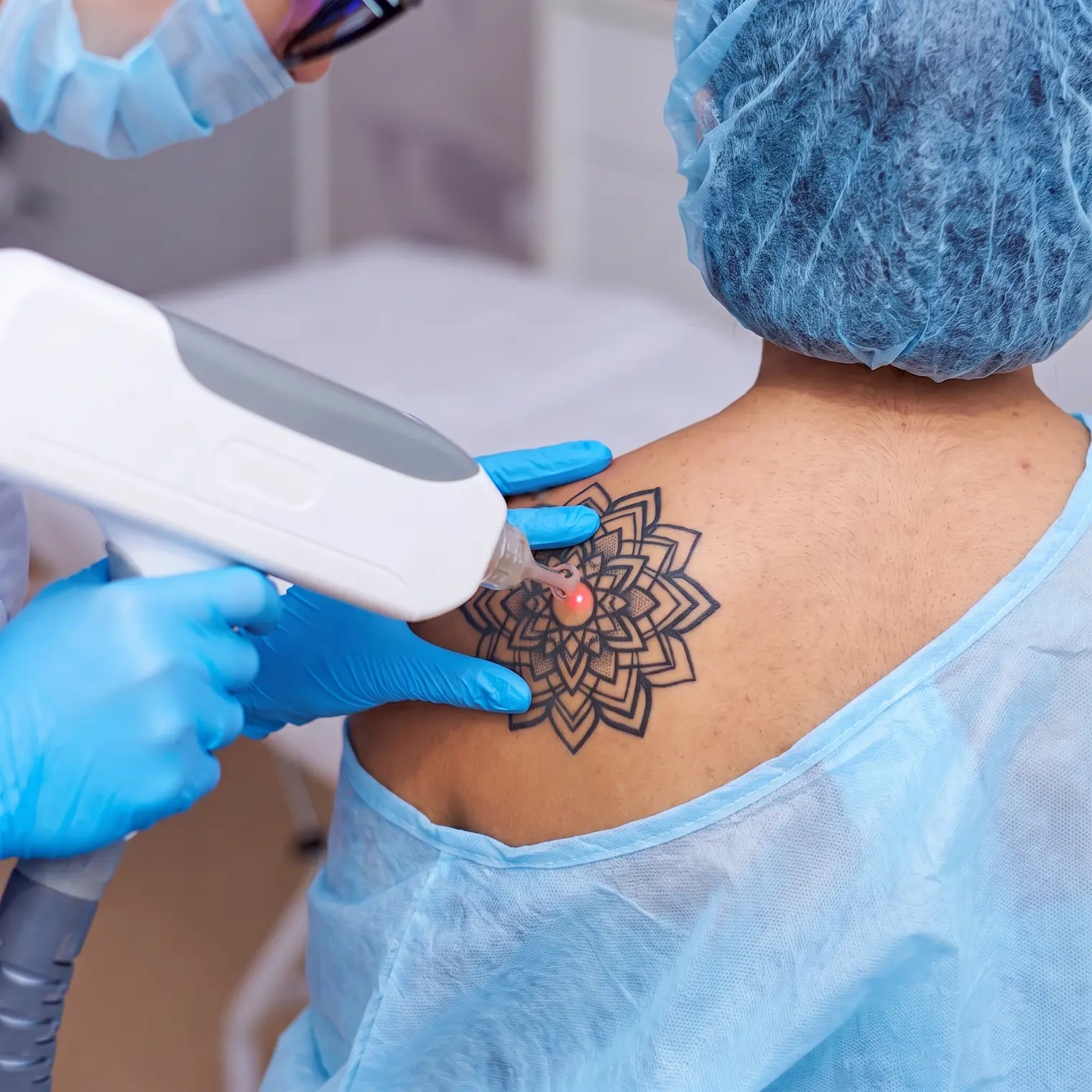
Aftercare starts the moment your bandage goes on.
Every clinic hands you a printed aftercare sheet on your way out the door, and every client half-reads it in the parking lot before shoving it in a bag. The instructions matter more than that treatment suggests. Laser removal creates a genuine wound response in the skin, and how you handle the following weeks has a real effect on both how comfortably you heal and how well your immune system clears the broken-down ink between sessions.
This is a practical, day-by-day walk-through of what to actually do, broken into the phases most clinics describe: the first 24 hours, the following week, and the longer stretch between sessions.
"The two rules that matter most: never pick at a blister or scab, and never skip sunblock on the area. Everything else is secondary to those two."
Common guidance echoed across removal clinic aftercare sheets
Get Matched With a Clinic That Explains Aftercare Clearly
A good clinic walks you through exactly what to expect before you leave your first session.
Get My Recommendations →
Day 1: The First 24 Hours
Immediately after your session, the area is typically red, swollen, and tender, sometimes with a chalky white "frosting" effect that fades within about half an hour. Your technician will apply a cold compress to reduce swelling and cover the area with a sterile bandage. Leave that initial dressing on for at least a few hours, and avoid touching, scratching, or applying any product to the area that your clinic has not specifically approved.
Most clinics recommend waiting several hours before showering. When you do, use lukewarm water and lower pressure directly over the treated skin. Higher water pressure can irritate the area or disturb any blistering that has already started to form.
Days 2 to 3: Gentle Cleansing Begins
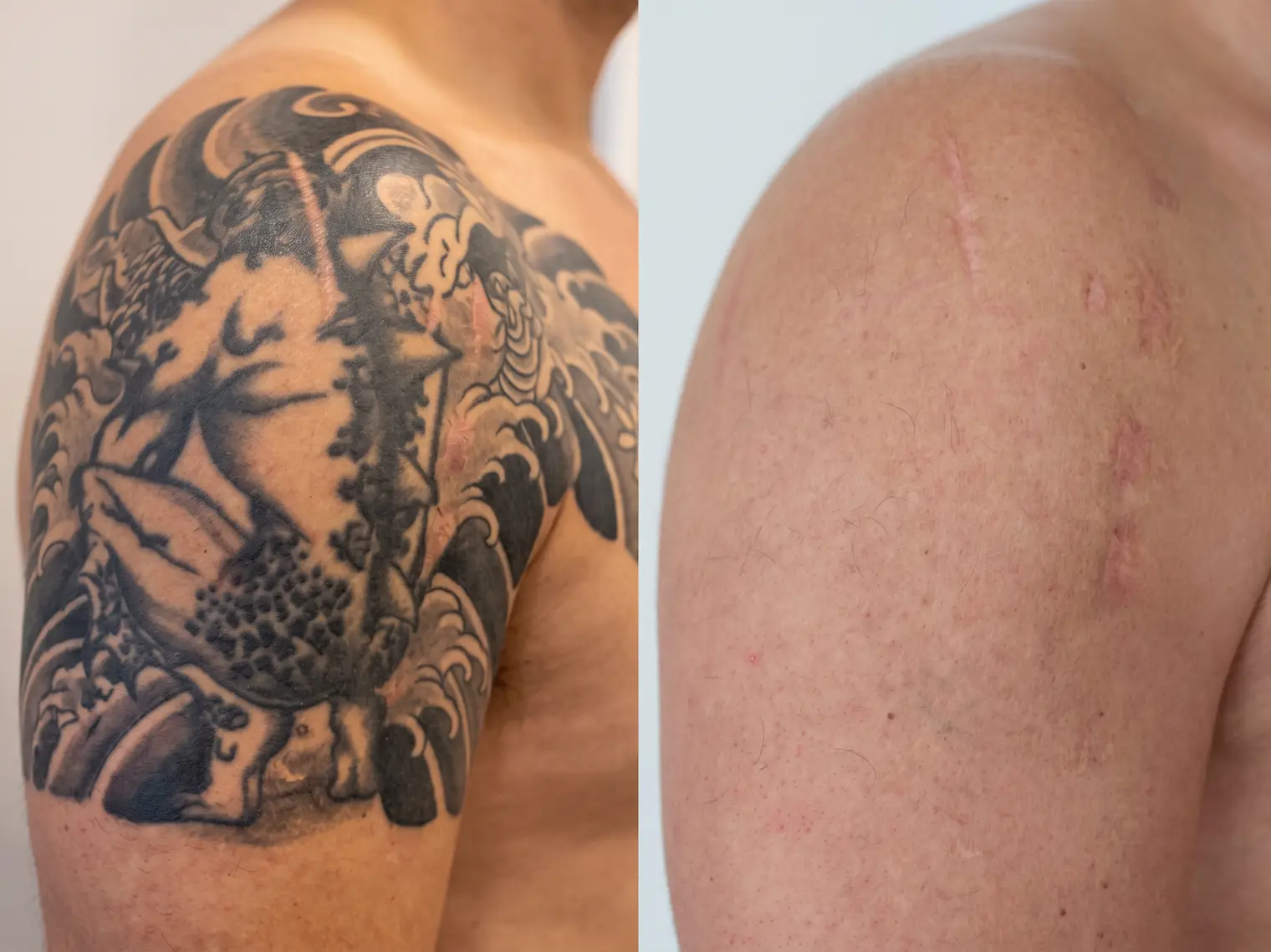
Consistent aftercare supports each session's progress.
The initial inflammation starts to settle, though the skin is still sensitive. Cleanse the area gently with lukewarm water and a mild soap, then pat it dry with a soft towel rather than rubbing. Apply a thin layer of an approved healing ointment, commonly something like Aquaphor or a similar occlusive balm, to keep the skin moist while it heals.
If the area is exposed to dirt, friction from clothing, or is still weeping fluid, a fresh clean bandage can help protect it. If it is not oozing and stays reasonably protected from friction, many clinics prefer to leave it uncovered from this point so the skin can breathe.
Days 4 to 7: Blisters and Scabs
By now, blisters or scabs commonly appear as part of a normal healing response, though not every client experiences them. These typically develop within the first 8 to 72 hours after treatment and can last one to two weeks. The single most important rule of this entire recovery window is: do not pop or pick at them. Let a blister resolve on its own; picking at it is one of the more common causes of avoidable scarring.
If a blister starts oozing on its own, a non-stick dressing changed daily until the drainage stops helps keep the area clean. Continue gentle cleansing and moisturizing twice a day through this window, and keep watching for the difference between normal healing and something that needs a call to your clinic, covered further down.
Do Not Pick
Never pop or pick at a blister or scab. This is the single leading avoidable cause of scarring during removal.
Keep It Moist
A thin layer of healing ointment twice a day supports healing better than leaving skin completely dry.
Avoid Soaking
No pools, hot tubs, or baths until all blistering and scabbing is fully healed. Showers are fine with lower pressure.
Sun Protection
Consistent sunblock over the treated area for months, not just days, reduces the risk of pigment changes.
Loose Clothing
Tight fabric rubbing against a healing area can disrupt scabs and slow recovery. Loose, breathable clothing helps.
Skip the Makeup
Avoid makeup, perfume, or unapproved lotions directly on the treated area until it is fully healed.
Week 2 and Beyond: Protect and Observe
Surface healing is typically well underway by the second week, with most redness and blistering resolved. This is also the window where you may start noticing real fading in the tattoo itself, as your body's immune system clears out the ink particles the laser broke down. That process continues gradually between sessions, which is part of why clinics space treatments roughly six to eight weeks apart rather than back to back.
Sun protection matters most during this stretch and beyond. Sun-exposed or tanned skin is more prone to pigment changes when treated with a laser, so consistent sunblock over the area, not just around appointments, is standard advice for the full course of your removal plan, which can span many months. A broad-spectrum SPF of at least 30, reapplied whenever you are outdoors for any length of time, is the simplest habit to build into your routine for the duration of treatment.
What Actually Supports Healing
A few habits beyond wound care itself affect how well and how quickly you heal between sessions. A balanced diet with adequate protein, along with nutrients like vitamin C, vitamin E, and zinc, supports the skin's natural repair process. You do not need special supplements unless you have a diagnosed deficiency; a varied diet is generally enough.
Smoking is worth specifically calling out, since it constricts blood vessels and impairs immune function, both of which slow down the lymphatic clearance your body relies on to remove broken-down ink. Some research has found smokers may need meaningfully more sessions than non-smokers to reach the same level of clearance, which is a real, practical reason to consider cutting back during an active removal course.
Myth
Once the redness and swelling go down, aftercare is basically over.
Fact
Surface symptoms resolve faster than the deeper healing your body needs before it is ready for the next session, which is why sunblock and gentle care matter for weeks, not just days.
Myth
Popping a blister just speeds up the healing process.
Fact
Popping or picking at a blister is one of the most common avoidable causes of scarring. Left alone, it resolves on its own within one to two weeks in most cases.
Myth
If there's no visible wound, sun protection doesn't really matter anymore.
Fact
Skin that has been recently lasered stays more prone to pigment changes for months, well after it looks fully healed on the surface.
Want a Clinic That Actually Walks You Through This?
Tell us about your tattoo, and we will point you to a Nashville clinic with clear, honest aftercare guidance.
Thanks! We will match you with the right clinic shortly.
When to Call Your Clinic
Most of what happens during healing, redness, mild swelling, itching, and blistering, is a normal part of the process. A smaller set of signs point toward something that needs attention rather than patience: increasing redness or warmth that gets worse after the first couple of days, yellow or green discharge, a foul smell, fever, or red streaking spreading out from the treated area. Those are worth a call to your clinic promptly rather than waiting to see if they resolve on their own.
Keeping a rough mental baseline of what your skin looked like on day one versus day three helps you notice a genuine change rather than reacting to every expected symptom along the way. When in doubt, a quick call to your technician is always a reasonable step; most of the time it simply puts your mind at ease.
It also helps to keep in mind that aftercare habits compound across a removal course that can run many months. A single missed sunblock application or one popped blister will not derail your results on its own, but consistent care session after session adds up to noticeably smoother healing and, in many clients' experience, a more comfortable process overall by the time they reach their later treatments.
✓
Reviewed by a tattoo artist with over 10 years of industry experience, who has seen firsthand how consistent aftercare habits make a visible difference in how clients' skin looks between sessions.
Frequently Asked Questions
When can I shower after a laser tattoo removal session?
Most clinics recommend waiting several hours before showering, and then using lukewarm water with lower pressure over the treated area rather than direct high-pressure spray.
Is it normal to get blisters after a session?
Yes. Blisters and scabs are a common part of healing for many clients and typically resolve on their own within one to two weeks. They should never be popped or picked at.
How long until the treated area is fully healed?
Most surface healing completes within a few weeks, though full skin recovery between sessions is commonly said to take four to eight weeks, which is also why sessions are typically spaced that far apart.
Can I exercise or swim during the healing period?
Light activity is usually fine, but swimming pools, hot tubs, saunas, and soaking baths should be avoided until all blistering and scabbing has fully healed, since submerging the area increases infection risk.
Do I need to keep the area covered the whole time?
Typically only for the first couple of days, or if the area is oozing. Once past the initial phase, most clinics recommend leaving healthy healing skin uncovered so it can breathe, unless it is exposed to friction or dirt.
Does smoking or diet actually affect healing?
Yes. Smoking constricts blood vessels and impairs the immune response your body relies on to clear ink particles, and studies have found smokers often need meaningfully more sessions to reach the same clearance as non-smokers. A balanced diet with adequate protein supports normal wound healing.
Why does sun protection matter so much during treatment?
Sun-exposed, tanned, or sunburned skin is more prone to pigment changes from laser treatment. Clinics commonly recommend consistent sunblock over the treated area for months during an active removal course, not just right after each session.
What if a blister starts oozing or looks infected?
A small amount of clear fluid from a blister is normal. Increasing redness, warmth, yellow or green discharge, a foul smell, or fever are signs to contact your clinic promptly rather than waiting to see if it improves.
Ready to Start With a Clinic That Sets You Up to Heal Well?
Get matched with a Nashville clinic that explains aftercare clearly from your very first session.
Find a Trusted Removal Clinic