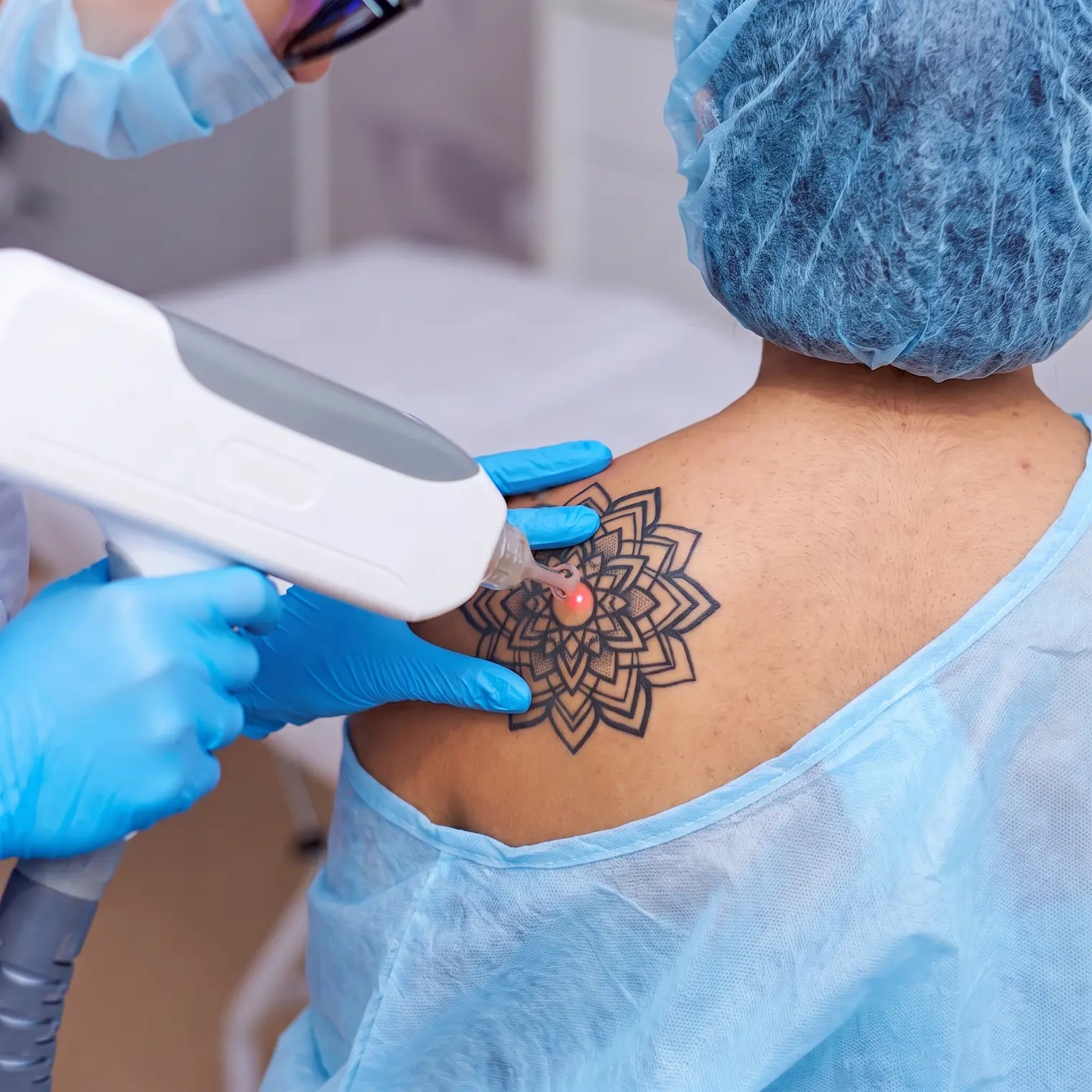
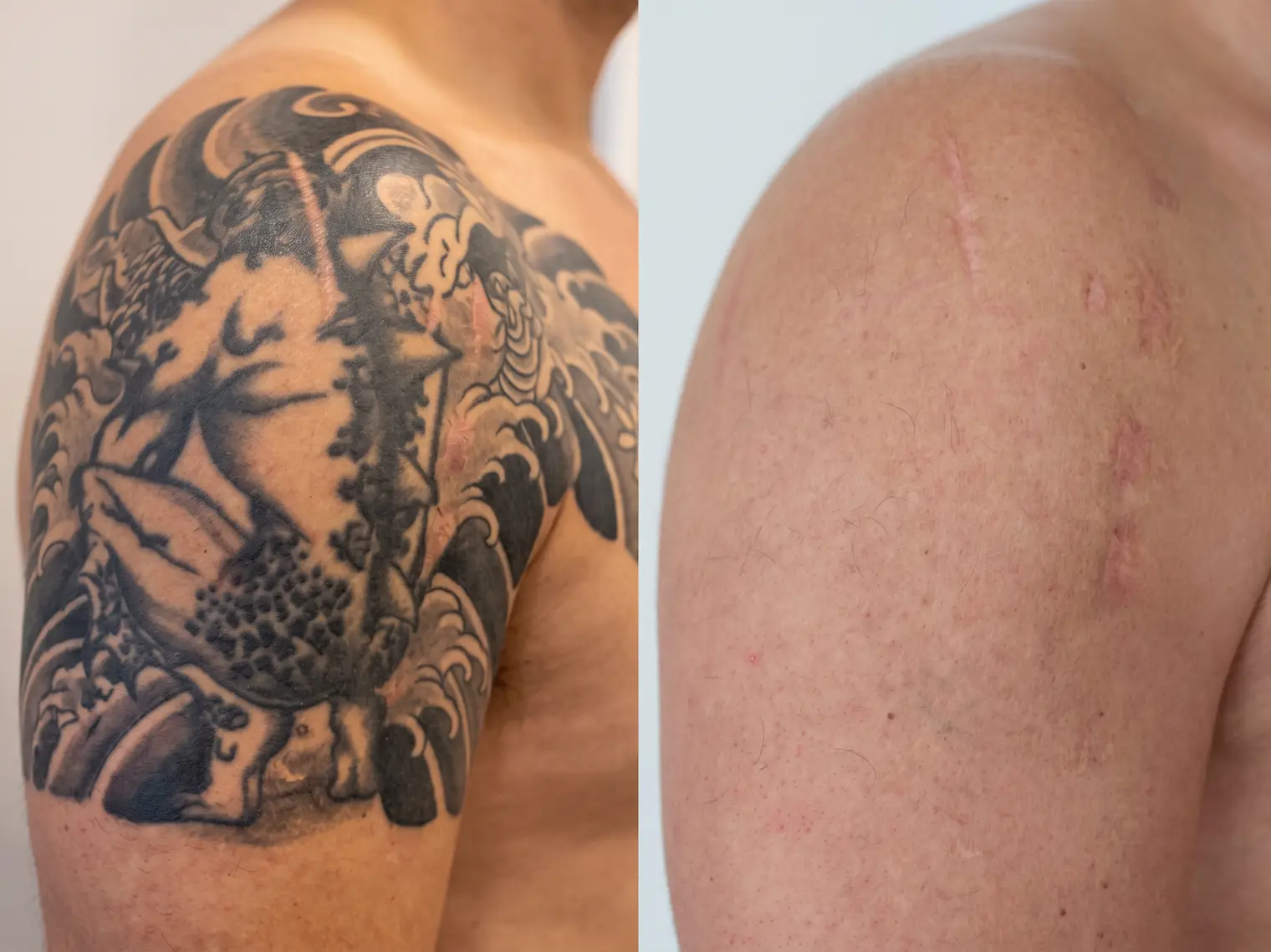
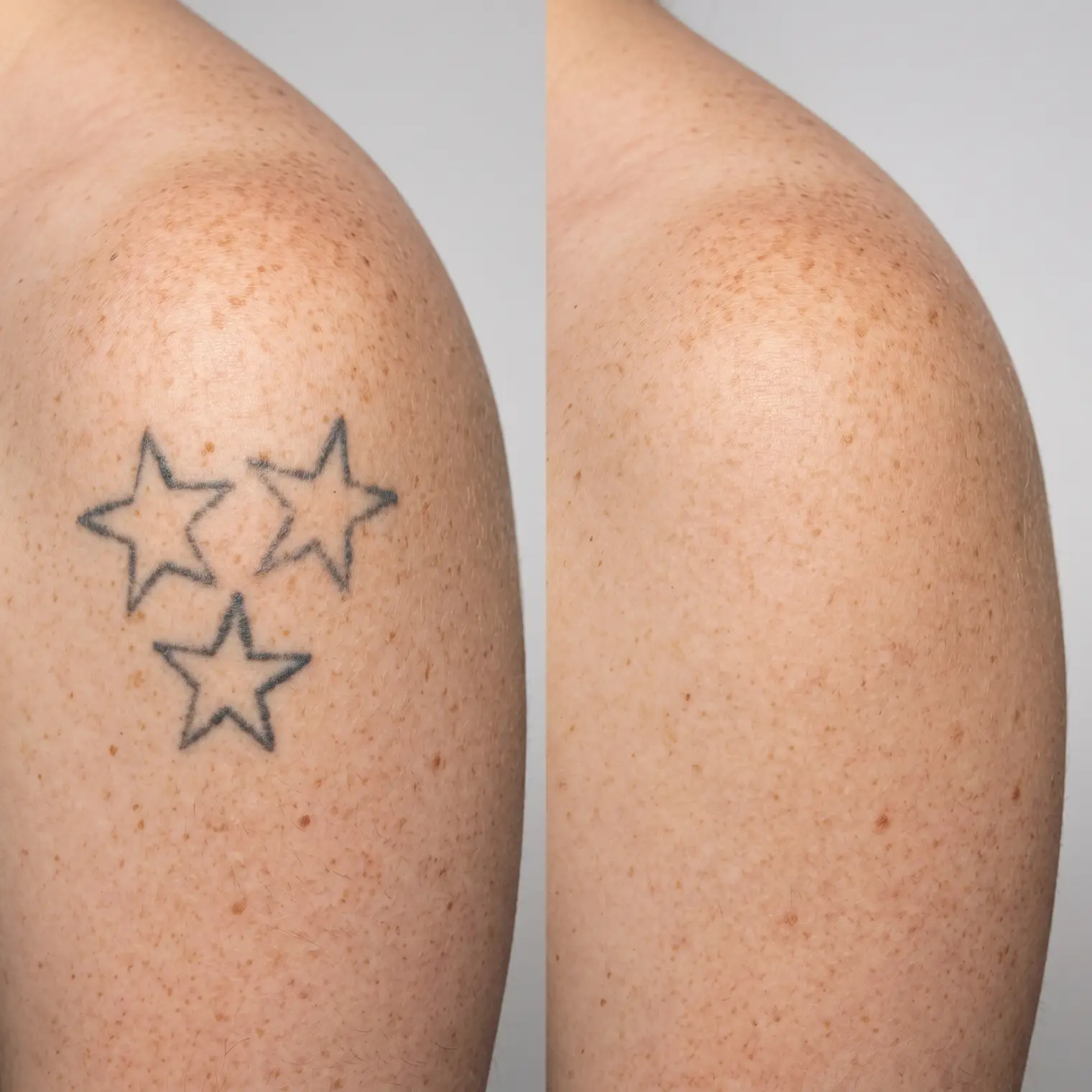
What you do in the days before your first laser removal appointment affects how it goes. Most clinics hand you a one-page checklist. Here is the fuller version.
8 min read·Last Updated: July 17, 2026
⚡ Quick Answer
Avoid sun exposure and tanning for at least 2 weeks before your session, stay well hydrated, skip alcohol the night before, and avoid blood thinners like ibuprofen unless your doctor says otherwise. Wear clothing that gives easy access to the treatment area, and eat beforehand so you are not treating on an empty stomach.
A few days of prep changes how the session actually goes.
Most people put more thought into what to wear to a tattoo removal appointment than what to do in the days leading up to it, which is somewhat backward. The clothing question matters, but the real preparation happens earlier, and it has a genuine effect on both how the session feels and how well your skin responds afterward.
None of this is complicated. It is mostly a handful of small habits that, skipped, tend to make sessions rougher than they need to be, and followed, make the whole process noticeably more manageable. Think of it less as a strict medical protocol and more as the kind of preparation that separates a smooth appointment from an avoidable setback.
"He came in with a fresh sunburn from a weekend on the lake. We had to push his session back two weeks. If he'd known sun exposure mattered that much, he would have planned differently."
A Nashville laser removal technician
Get Our Recommended Nashville Clinics
Submit your details and receive our trusted recommendations for tattoo removal in Nashville.
That two-week delay is a common, avoidable setback. Tanned or sun-damaged skin absorbs more laser energy at the surface, which increases both discomfort and the risk of pigment changes, while reducing how effectively the laser reaches the actual ink. Most clinics require treatment areas to be free of active sunburn or fresh tan before they will proceed, which can push your entire timeline back by weeks if you are not planning around it.
Small habits, real difference in how sessions go.
Two weeks out, start avoiding direct sun exposure and tanning beds on the treatment area entirely. This is the single most important item on this list and the one people skip most often, usually without realizing how much it matters.
The night before, skip alcohol, which can thin your blood and increase bruising and swelling after treatment. The day of your session, avoid ibuprofen and other NSAIDs unless your doctor has told you otherwise, since these also affect blood clotting. Acetaminophen is generally a safer choice if you need pain relief beforehand.
Hydration deserves more attention than most prep checklists give it. Your lymphatic system, the part of your body responsible for clearing away fragmented ink after treatment, functions better when you are well hydrated in the days leading up to a session, not just the morning of. Aim for consistently good water intake starting at least two to three days before your appointment rather than trying to compensate with a large amount right before you arrive.
Nicotine is another factor worth considering, since smoking is associated with slower wound healing generally. If you smoke, it is not necessary to quit for a single session, but reducing use in the days immediately before and after treatment may support slightly better healing at the treatment site.
Avoid Sun (2 Weeks Out)
No direct sun or tanning beds on the treatment area. This is the single biggest factor in your control.
Stay Hydrated
Good hydration in the days before supports both comfort during treatment and clearance afterward.
Skip Alcohol the Night Before
Alcohol thins blood and can increase bruising and swelling after your session.
Avoid Blood Thinners
Skip ibuprofen and other NSAIDs on the day of treatment unless your doctor advises otherwise.
Wear Accessible Clothing
Loose clothing that exposes the treatment area easily, without needing to fully undress at the clinic.
Eat Beforehand
Treating on an empty stomach can increase lightheadedness. A normal meal beforehand helps.
Knowing roughly what your appointment will look like removes a lot of unnecessary anxiety, especially for a first session. Total appointment time, including check-in and any numbing wait, usually runs 30 to 60 minutes even though the laser itself is only active for a few minutes of that window.
Before
Check-In & Consent
Brief paperwork confirming your health history hasn't changed since your consultation, and a final visual check of the treatment area.
Optional
Numbing Application
If you are using topical numbing cream, it is typically applied 30 to 60 minutes before treatment begins, covered to help it absorb.
Treatment
The Session Itself
Actual laser time is usually just a few minutes for small tattoos, up to 20 to 30 minutes for larger pieces, covered in detail in our pain guide.
After
Aftercare Instructions
Cooling, bandaging if needed, and clear instructions for the following days before you head home.
Myth
You need to shave the treatment area before your appointment.
Fact
Body hair does not interfere with laser removal treatment. Shaving is not required unless your clinic specifically asks for it.
Myth
You should apply lotion or moisturizer to the area right before your session.
Fact
Clean, product-free skin is generally preferred. Ask your specific clinic, but most prefer you arrive without lotion, oil, or sunscreen on the treatment area.
Beyond wearing the right clothing, a few small items make a real difference in your comfort before, during, and after your appointment, especially for a first session when you do not yet know exactly what to expect from your own reaction to treatment.
Bring a phone charger or something to occupy yourself during any wait time, since consultations and check-in paperwork can take longer than the treatment itself for shorter sessions. If you tend to get lightheaded from medical procedures, even minor ones, a small snack and water bottle for immediately afterward is worth having on hand rather than assuming you will be fine to drive straight to your next commitment.
For sessions on areas that will need loose clothing afterward to avoid friction, like the ankle, wrist, or ribs, packing a spare layer that will not rub against freshly treated skin on your way home is a small detail that makes the rest of your day noticeably more comfortable.
Good prep habits add up across the whole treatment course.
Beyond prescription blood thinners, a few common over-the-counter supplements can also affect bruising and healing, and are worth disclosing at your consultation even if they seem unrelated. Fish oil, vitamin E, and high-dose ginkgo biloba all have mild blood-thinning properties and are reasonable to pause in the days before a session if your doctor agrees it is safe to do so.
If you have an active skin condition near the treatment area, such as eczema, psoriasis, or a rash, mention it before your appointment rather than waiting until you arrive. Depending on severity, your technician may recommend treating a different area first, adjusting the treatment plan, or waiting until the flare-up resolves, since irritated skin responds less predictably to laser treatment and carries a higher risk of complications.
None of these preparation steps require dramatic lifestyle changes in the weeks before a single session. They are small, manageable adjustments that, taken together, meaningfully reduce the odds of an uncomfortable surprise or a delayed appointment, both of which are far more disruptive than the minor effort of planning ahead.
✓
Reviewed by a tattoo artist with over 10 years of industry experience, who has watched laser removal technology and technique improve dramatically over the past decade and regularly advises clients on full removal versus partial fading for a cover-up.
Not Sure Which Nashville Clinic Is Worth Your Money?
Tell us about your tattoo and we will point you to clinics that walk you through prep clearly.
Thanks! We will match you with the right clinic shortly.
Can I wear makeup or sunscreen to my appointment?
Avoid applying either directly to the treatment area. Sunscreen is fine on skin nearby, but the technician will want clean, product-free skin at the treatment site itself.
How long before a session should I stop tanning?
At least 2 weeks, though 4 weeks is safer if you tan easily or have a history of sun sensitivity. Active sunburn or fresh tan will typically cause your session to be postponed.
Can I exercise the day of my session?
Light activity beforehand is fine. Avoid intense exercise immediately after your session, since sweating and friction on freshly treated skin can increase irritation.
Should I bring someone with me to my first session?
It is not required, but some first-time clients find it helpful for reassurance, especially for larger or more sensitive treatment areas.
Is there anything I should avoid eating or drinking beforehand?
Avoid excessive caffeine, which can heighten sensitivity to discomfort for some people, and stay away from alcohol, which increases bruising risk.
What if I forget to prepare properly before my appointment?
Tell your technician honestly rather than hoping it goes unnoticed. Depending on what was missed, they may proceed as planned, adjust settings, or recommend rescheduling if there is a real safety concern like active sunburn.
Do later sessions require the same preparation as the first one?
Yes, the same prep applies to every session throughout your treatment plan, not just your first appointment.
Can I apply numbing cream at home before arriving?
Some clinics allow this with over-the-counter numbing cream, while others prefer to apply it themselves for consistency and safety. Confirm with your specific clinic before your appointment.