"Like a rubber band snap" is the line every clinic uses. It is not wrong, but it leaves out most of what actually determines how a session feels, and what changes after multiple treatments.
10 min read·Last Updated: July 17, 2026
⚡ Quick Answer
Laser tattoo removal feels like a rubber band snapping against skin, with intensity varying by body location, ink density, and personal pain tolerance. Fleshy areas like the thigh are more tolerable; bony areas like the ankle or wrist are more sensitive. Numbing cream, injections, and cooling devices are available at most Nashville clinics.
The sensation is real, but manageable for most people.
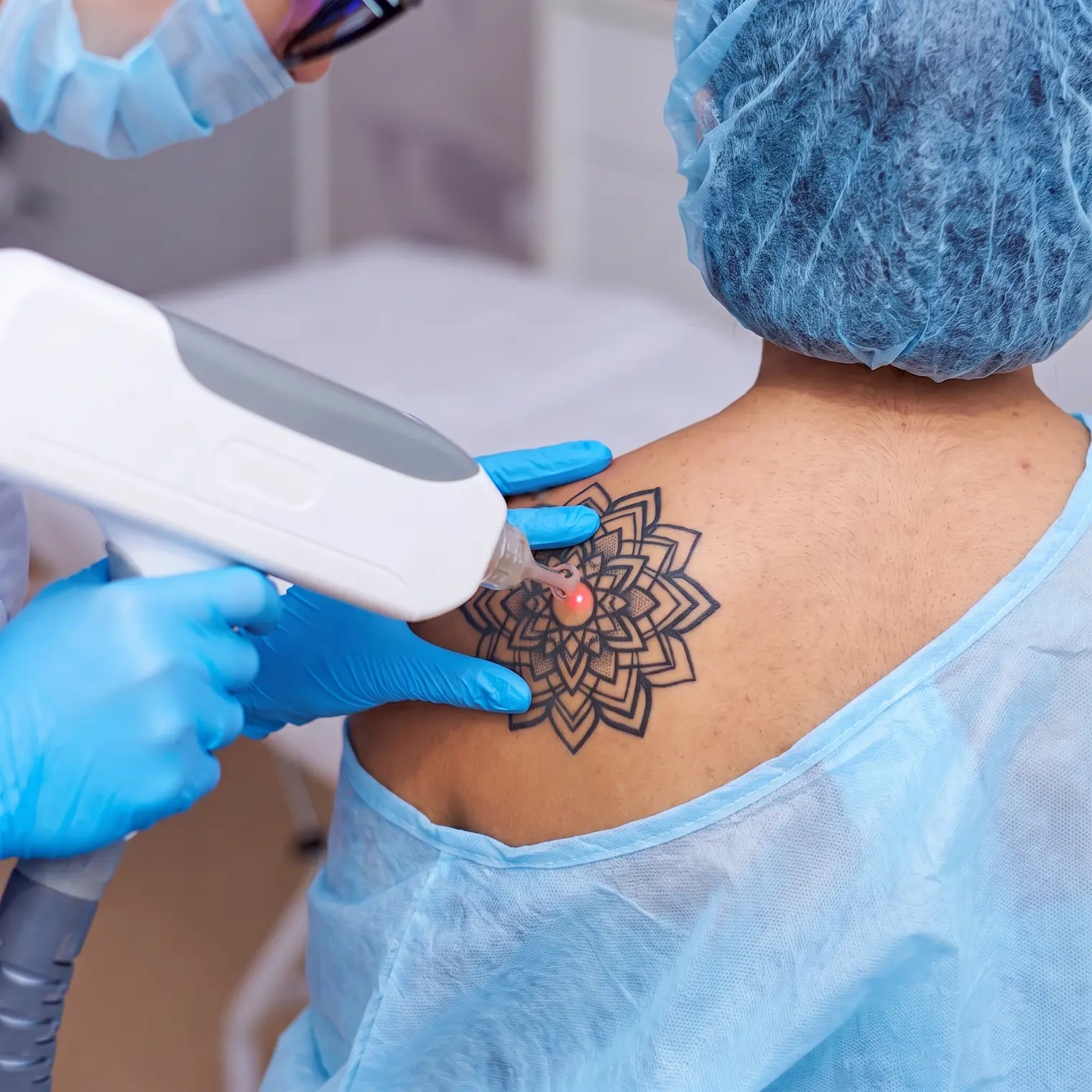
Every removal clinic website describes the pain the same way: a rubber band snapping against your skin. It is a reasonable comparison for a single laser pulse, and it is the most common description clients give afterward. What it does not capture is the difference between a single pulse and an entire session, which is really hundreds of those snaps in rapid succession across the treatment area, or how much that sensation shifts depending on where on your body you are being treated.
The honest answer is that removal is uncomfortable for almost everyone and painful for some, depending on your personal pain tolerance, the treatment area, and how many sessions you have already been through. This guide breaks down what actually drives that experience, so you can walk into your first session with realistic expectations instead of a marketing line.
None of this is meant to talk you out of removal if you have decided it is right for you. Discomfort that lasts a few minutes per session is, for the overwhelming majority of clients, a manageable trade-off for the outcome they are working toward. The goal here is simply to replace the vague rubber band comparison with a clearer picture of what actually varies, so nothing catches you off guard the way it did our musician client.
"I play guitar for a living, so I thought I had a decent pain tolerance. My forearm session still caught me off guard. Nobody told me it would feel different than my shoulder did."
A Nashville musician, on removing a forearm piece
Get Our Recommended Nashville Clinics
Get matched with a clinic that offers real numbing options and explains what to expect honestly.
That musician's experience points to something worth understanding before your first session: pain during removal is not one consistent sensation across your whole body. A treatment that feels manageable on a fleshy area like the outer thigh can feel considerably sharper on the forearm, where there is less padding between skin and bone, or on areas with thinner skin like the inner wrist or ribs.
What Actually Determines How Much It Hurts
Pain tends to ease slightly as ink density decreases.
Several factors combine to determine how a given session feels, and understanding them ahead of time helps set realistic expectations rather than relying on a single generic comparison that may not match your specific situation at all.
Body location is probably the single biggest factor. Areas with more fat and muscle padding, like the outer thigh, upper arm, or upper back, tend to be the most tolerable. Areas with thin skin directly over bone, like the ankle, wrist, hands, feet, ribs, and spine, are consistently reported as the most uncomfortable by clients across almost every clinic.
This is not just anecdotal. Areas with thin skin and less underlying tissue have less to absorb and diffuse the laser's energy, meaning more of that energy is felt directly at the nerve endings close to the surface. It is the same reason a light tap on your shin feels sharper than the same tap on your thigh, just amplified by the more concentrated energy of a laser pulse.
Ink density plays a role too. Solid black areas absorb more laser energy than lighter shading or fine linework, which generally translates to a more intense sensation during those specific passes. This means a densely shaded tattoo may feel more uncomfortable overall than a fine-line piece of similar size.
Body Location
Fleshier areas (thigh, upper arm, upper back) tend to hurt less than bony areas (ankle, wrist, ribs, spine).
Ink Density
Solid black and heavily shaded areas absorb more energy and tend to feel more intense than fine linework.
Session Number
Many clients report the first session feels the most intense, since skin has not yet adapted to the sensation.
Individual Tolerance
Pain tolerance varies person to person, and there is no shame in needing more numbing support than someone else.
Cooling Technology
Clinics using built-in cooling tips or a Zimmer chiller during treatment can meaningfully reduce discomfort in real time.
Numbing Preparation
Whether you use a topical numbing cream beforehand, and how long you let it absorb, has a real effect on session comfort.
Numbing Options Worth Asking About
Most Nashville clinics offer some form of numbing support, though the options and included cost vary. A topical numbing cream, applied 30 to 60 minutes before your session and covered with plastic wrap to help it absorb, is the most common baseline option and is effective for a lot of clients, especially on less sensitive areas.
For larger pieces or more sensitive locations, some clinics offer a numbing injection, similar to what a dentist uses, which provides more complete numbing but adds a small needle pinch and some cost to your visit. Cooling devices used during the actual treatment, whether a built-in chiller on the laser itself or a separate cold air machine, also meaningfully reduce discomfort in real time and are worth specifically asking whether your clinic uses.
It is reasonable to ask about all of these options during your initial consultation, before you have committed to a clinic, rather than discovering after your first uncomfortable session that better numbing was available the whole time. A clinic that proactively explains its numbing options without you having to ask is generally a good sign of how seriously they take client comfort overall, not just as an afterthought.
Pain Level by Body Area
These are general patterns based on what clients most commonly report, not a guarantee of your individual experience, since tolerance varies significantly from person to person.
More Tolerable
Thigh, Upper Arm
More padding, less nerve density
Moderate
Forearm, Calf, Back
Varies by exact spot and ink density
Most Sensitive
Ankle, Wrist, Ribs
Thin skin, close to bone or nerves
Myths That Make People More Anxious Than Necessary
Myth
Removal always hurts more than getting the original tattoo.
Fact
Many clients report removal sessions, which last only a few minutes, as more intense but shorter than the sustained discomfort of a multi-hour tattoo session.
Myth
If it hurts a lot, something is being done wrong.
Fact
Discomfort is a normal part of the process, not a sign of a mistake. That said, sharp, unusually severe pain that persists after the session is worth mentioning to your technician.
Myth
You just have to grit your teeth through it with no numbing help available.
Fact
Most reputable clinics offer at least topical numbing, and often injectable or cooling options too. It is always worth asking before you assume you have no choice.
What Happens After the Session
The sensation during treatment is only part of the picture. Afterward, the treated area typically feels similar to a sunburn for a day or two, with some redness, mild swelling, and sensitivity to touch. Ice packs, applied in short intervals rather than continuously, along with over-the-counter pain relief if needed, generally manage this well for most people.
It is worth planning your sessions with this recovery window in mind, particularly if the treated area is somewhere that gets a lot of friction from clothing or daily movement. A forearm or ankle session might be more manageable to schedule around a few quieter days than a spot you cannot easily protect from rubbing or pressure during healing.
How to Prepare for a More Comfortable Session
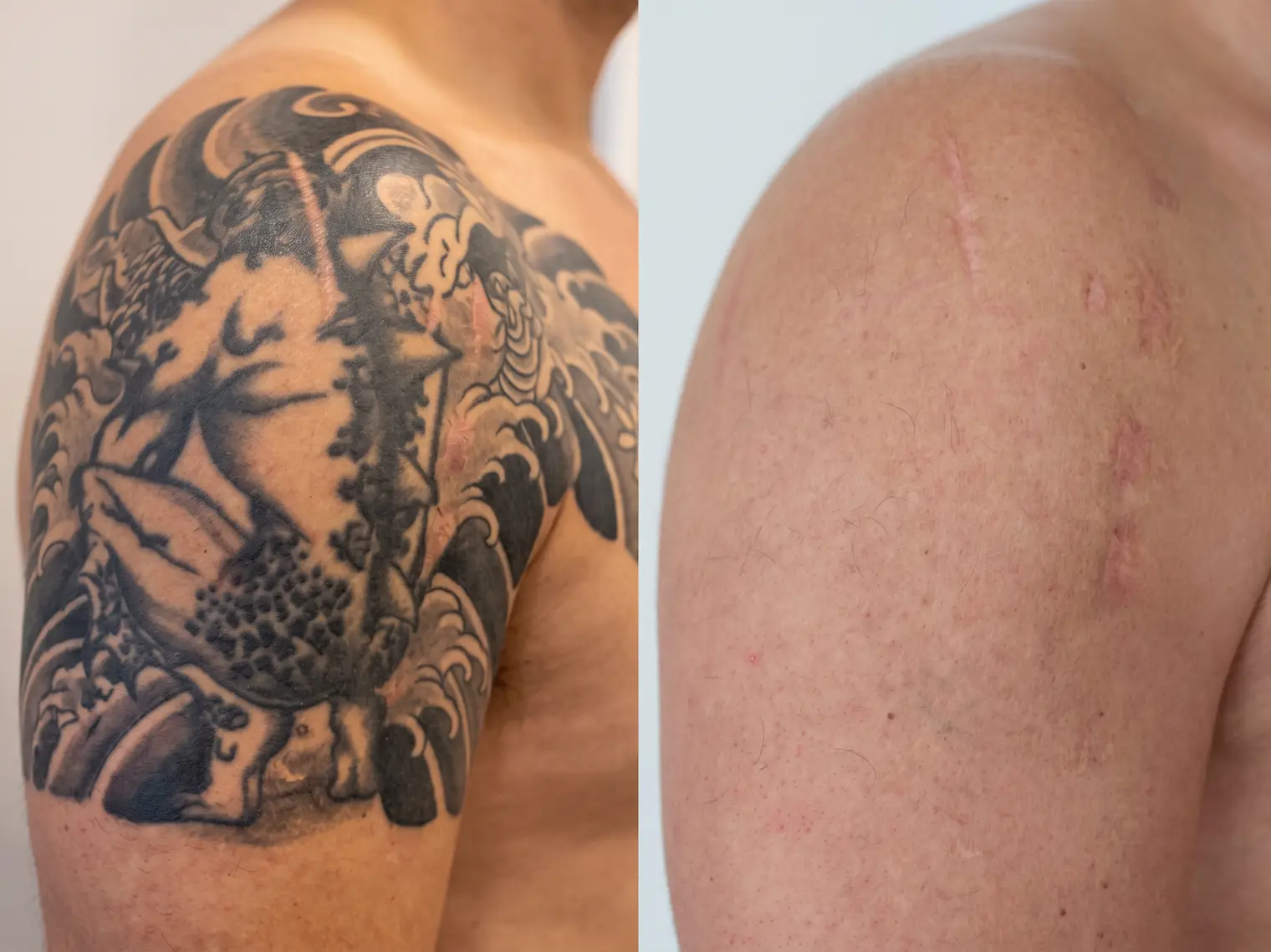
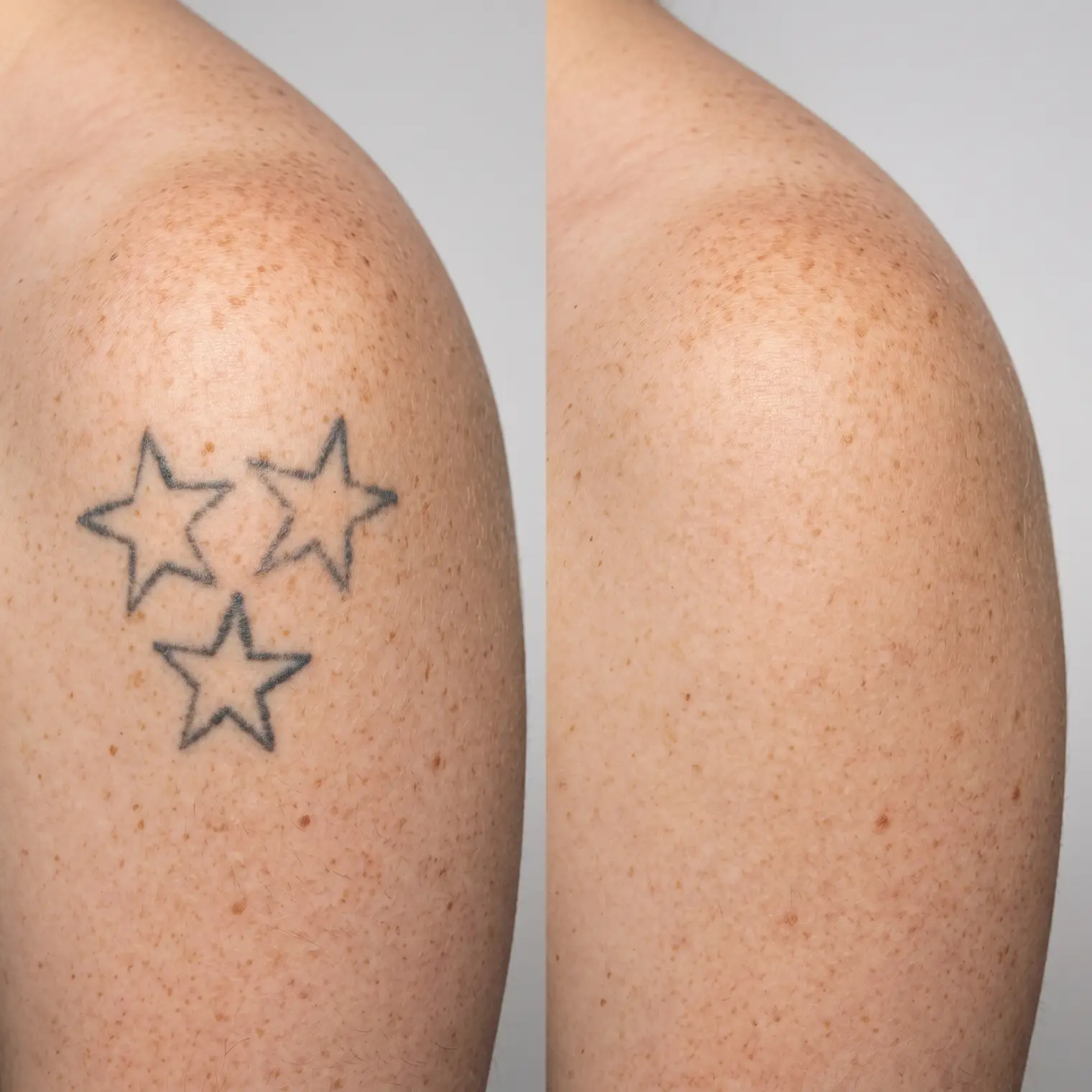
A few minutes of discomfort per session, spread over months, gets you here.
A few practical habits can meaningfully change how a session feels, beyond just numbing options offered by the clinic itself. Avoiding caffeine for a few hours before your appointment can help, since caffeine tends to heighten sensitivity to pain for some people. Staying well hydrated in the days leading up to a session also seems to help with both comfort during treatment and healing afterward, though the research on this is more anecdotal than clinical.
Timing your session around your own schedule matters more than people expect. Going in stressed, sleep deprived, or rushed tends to make any physical discomfort feel more intense than the same treatment would on a calmer day. If you have flexibility in booking, choosing a day when you are not also juggling a stressful deadline or a poor night of sleep can make a real difference in how manageable the session feels.
Bringing headphones and something to listen to, or simply telling your technician you would prefer minimal conversation during the session, is a small thing that a lot of first-time clients do not think to do but wish they had afterward. Most experienced technicians are used to accommodating whatever helps a client get through the few minutes of actual treatment more comfortably.
Not Sure Which Nashville Clinic Is Worth Your Money?
Tell us about your tattoo, and we will point you to clinics that take comfort seriously.
Thanks! We will match you with the right clinic shortly.
✓
Reviewed by a tattoo artist with over 10 years of industry experience, who has watched laser removal technology and technique improve dramatically over the past decade and regularly advises clients on full removal versus partial fading for a cover-up.
Frequently Asked Questions
Does removal hurt more than the tattoo itself did?
Sensation is often reported as more intense per second, but sessions are much shorter than getting tattooed, typically just a few minutes of actual laser contact time.
Can I use numbing cream I buy myself?
Some clinics allow over-the-counter numbing cream applied before your appointment. Always check with your specific clinic first, since some prefer to control numbing themselves for consistency and safety.
Does pain get worse or better over multiple sessions?
Most clients report the first session as the most intense, with later sessions feeling similar or occasionally slightly less uncomfortable as ink density decreases.
What if the pain feels like too much during a session?
Tell your technician immediately. Sessions can be paused, and treatment area or laser settings can sometimes be adjusted. You are never obligated to push through pain that feels unmanageable.
Is aftercare pain normal too, or just during the session?
Mild soreness and sunburn-like sensitivity for a day or two afterward is normal. Sharp pain that worsens over time, or signs of infection like increasing redness, warmth, or discharge, should be reported to your clinic right away rather than waiting to see if it resolves on its own.
Does pain tolerance differ by skin tone during removal?
Pain perception varies by individual more than by skin tone specifically, though certain laser settings adjusted for darker skin tones to reduce pigment risk can also slightly change the sensation experienced.
Is it safe to get tattoo removal while pregnant?
Most clinics decline to treat pregnant clients as a precaution, since the effects of laser removal during pregnancy have not been well studied. Waiting until after pregnancy and breastfeeding is the standard recommendation.
Does numbing cream reduce how effective the treatment is?
No, topical numbing cream affects sensation only and does not interfere with the laser's ability to break down ink particles beneath the skin.