Cream, cold air, ice, and injections all work differently, and none of them make a session painless. Here is what each one actually does and when it helps most.
10 min read·Last Updated: July 18, 2026
⚡ Quick Answer
Cold air machines and ice are the most common baseline numbing options, often included in your session. Topical numbing cream, applied 30 to 60 minutes before your appointment, penetrates deeper and lasts longer than ice, though it needs planning ahead. Lidocaine injections fully numb small areas but are impractical for larger tattoos. None of these eliminate sensation entirely; they reduce it to a more tolerable level.
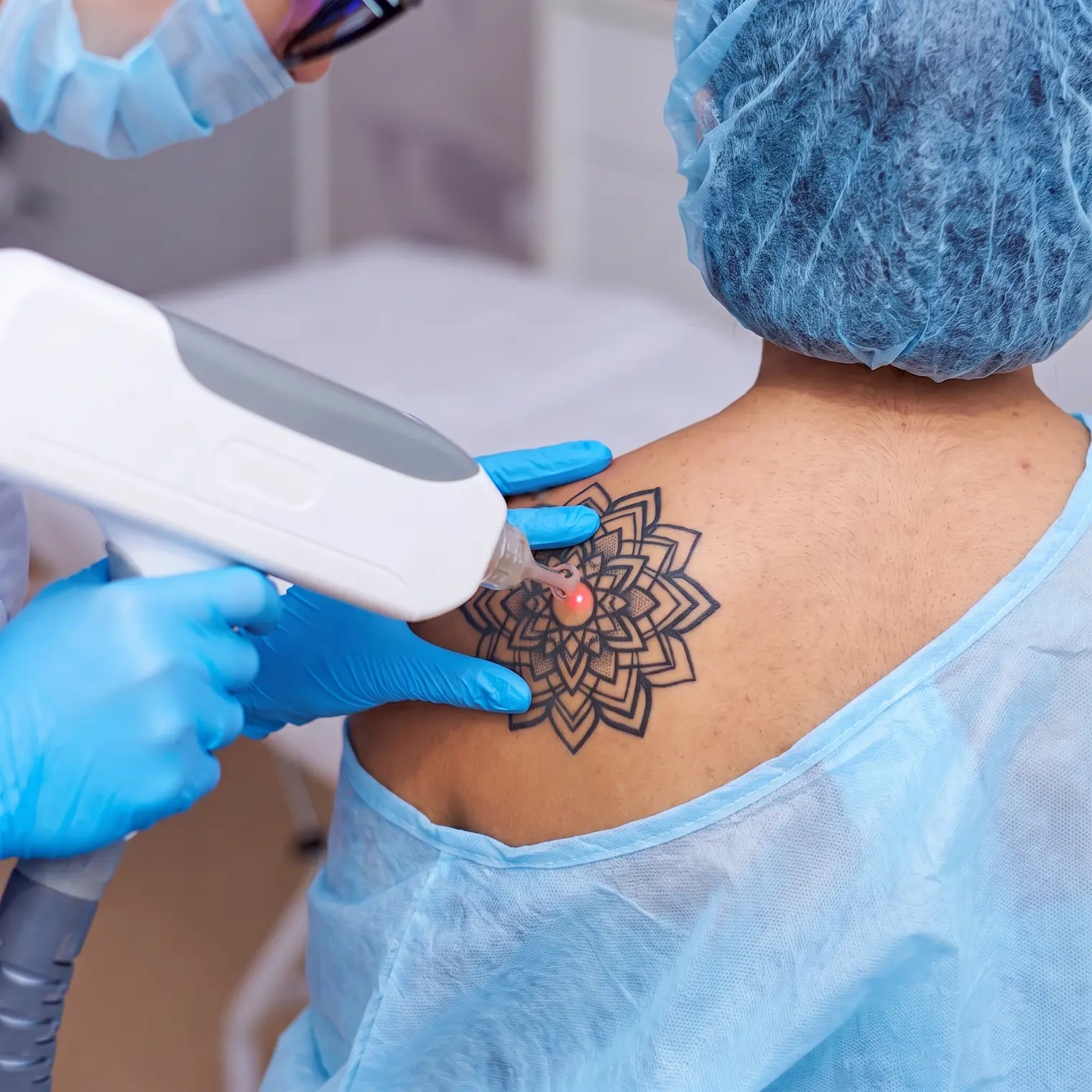
Comfort options make a real difference across a multi-session plan.
Pain management for removal is not a single choice but a stack of overlapping options, and different clinics offer different combinations as standard versus add-on. Understanding what each option actually does, rather than treating them as interchangeable, helps you make a more informed choice at your consultation.
None of these options make a session painless. What they do is bring an intense sensation down to something tolerable, which matters over a treatment course that can span many sessions.
"Ice is good when you need a tiny bit of short-term relief, but it won't carry you through a tough spot. Numbing cream penetrates deeper and lasts far longer."
Common comparison used across numbing method guides
Ask About Numbing Before You Book
A Nashville clinic can tell you exactly what's included and what costs extra.
Brief, surface-level relief; fades quickly once removed
During Session
Cold Air
Continuous cooling throughout treatment, standard at most clinics
1-4 Hours
Numbing Cream
Deeper, longer-lasting numbness with advance planning required
Comfort tools help you stay consistent across your full plan.
Cold air machines are present in most higher-volume removal clinics, since they provide fast, continuous cooling that can be applied before, during, and after treatment. Ice packs are a simpler, lower-cost option many clinics use as well, particularly smaller practices, and they help with comfort even though the effect is more surface-level and shorter-lived than cold air or numbing cream.
Ice alone provides only brief relief, often fading within minutes, and is generally considered less effective for sustained comfort during a longer session compared to continuous cold air. Icing after your session is also commonly recommended to help reduce blistering risk, separate from its role in numbing.
Cold Air Machine
Continuous cooling before, during, and after treatment. Common in higher-volume clinics as a standard option.
Ice Packs
Simple and low-cost, but shorter-lived and more surface-level than cold air or numbing cream.
Numbing Cream
Applied 30-60 minutes ahead, penetrates deeper, effects can last 1 to several hours.
Lidocaine Injection
Fully numbs a small area, requires a medical professional, impractical for larger tattoos.
Topical numbing creams typically contain lidocaine, prilocaine, benzocaine, or a combination, in concentrations ranging from lower-strength over-the-counter formulas to stronger prescription options for sensitive clients. The FDA-approved standard for over-the-counter topical lidocaine is 4 percent; concentrations above that carry documented additional risks and are generally not something a reputable clinic will recommend without medical oversight and a specific reason.
Timing matters more than people expect going into their first session. Most creams need 30 to 60 minutes to take effect, so applying it at home before you leave for your appointment, following your clinic's specific instructions, is typically far more effective than trying to apply it in the waiting room right before your session starts. Wiping the cream off cleanly before treatment begins is also part of most clinic protocols, since leftover product on the skin can interfere with the laser.
Comfort during removal is not a single decision made once, but something you can adjust session to session as you learn what actually works for your pain tolerance and the specific area being treated. There is no shame in asking for more support, or in trying a different combination if your first session felt harder than expected.
Myth
Stronger numbing cream is always better and safer than a standard concentration.
Fact
Concentrations above the FDA-approved 4% standard carry documented risks and are less regulated, not simply "more effective and safe."
Myth
Ice held on the skin throughout the session works just as well as a cold air machine.
Fact
Ice provides brief, surface-level relief. Continuous cold air machines generally offer more consistent comfort throughout a longer session.
Myth
Lidocaine injections are the best option for everyone since they fully numb the area.
Fact
They work well for small areas but are impractical for larger tattoos due to safe dosage limits, plus they require a medical professional and add appointment time.
Want to Know Your Options Before Session One?
Tell us about your tattoo, and we will point you to a Nashville clinic that will walk you through comfort options clearly.
Thanks! We will match you with the right clinic shortly.
It is worth confirming with your specific clinic what numbing is included in your session price versus offered as a paid add-on, since this varies. Cold air and ice are commonly included baseline; numbing cream and injections are more often optional extras, sometimes around an additional fee for the injection route specifically.
If you plan to use your own numbing cream rather than relying on what the clinic provides, confirm with them beforehand which products and concentrations they approve, since some ingredients can interact with how effectively the laser reaches the ink underneath. A quick question during booking avoids any surprise at your appointment.
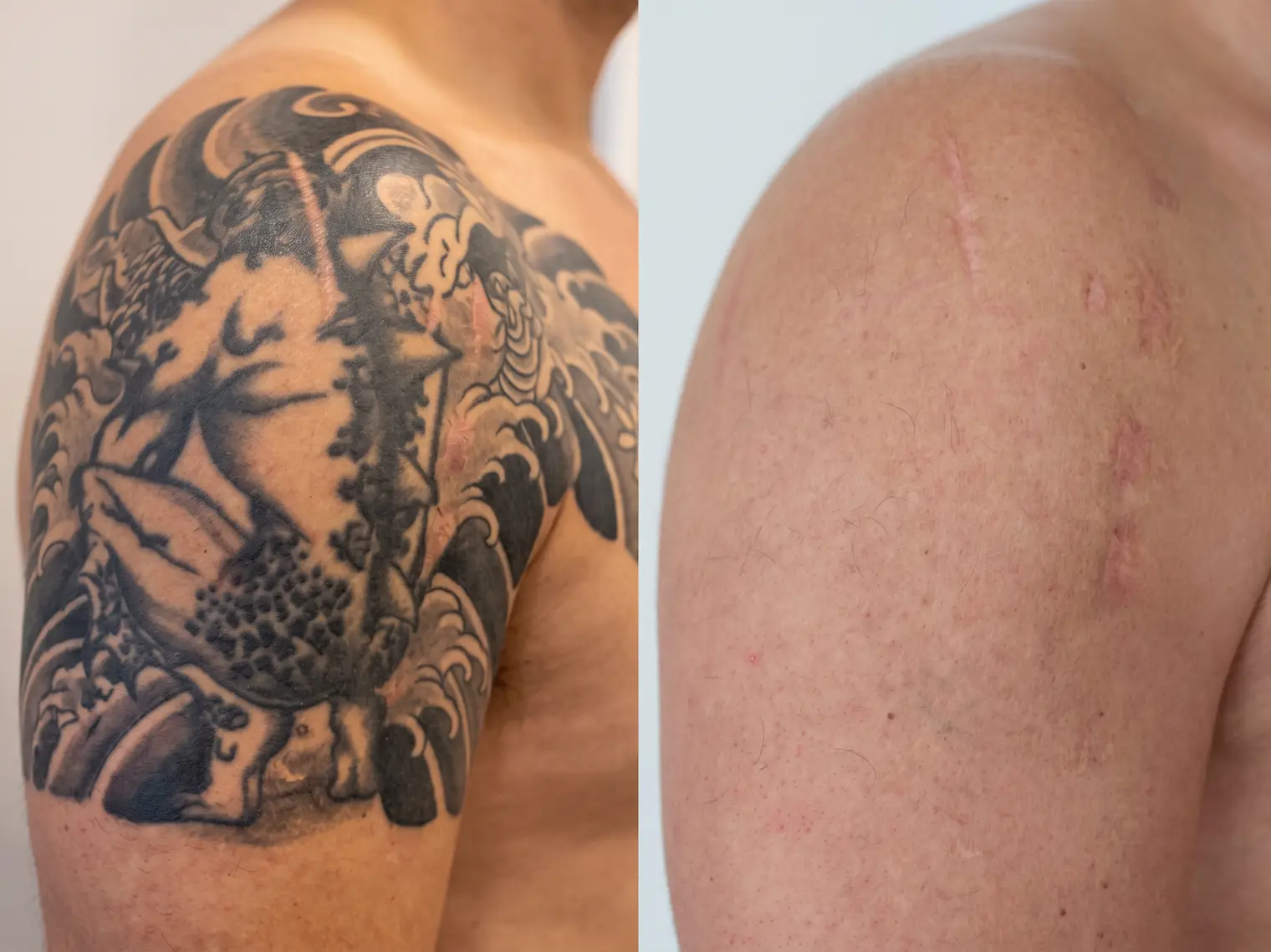
Manageable numbing makes each session toward this result easier to get through.
Over-the-counter pain relievers can help with post-session soreness, but the choice matters. Acetaminophen is generally the safer option, since aspirin and ibuprofen can increase bruising after treatment by thinning the blood. Confirming with your clinic what they recommend, especially if you take other medications regularly, is a reasonable step before your first session.
✓
Reviewed by a tattoo artist with over 10 years of industry experience, who regularly discusses realistic comfort expectations with clients before their first removal session.
What numbing options are typically available at a removal clinic?
Cold air machines and ice packs are the most common baseline options, often included in the session price. Topical numbing creams and, less commonly, lidocaine injections are typically offered as add-ons for clients who want additional comfort.
How long before my session should I apply numbing cream?
Most numbing creams need 30 to 60 minutes to take effect, so applying it at home before your appointment, as directed by your clinic, is typically more effective than applying it right when you arrive.
Is numbing cream always safe to use before a laser session?
When used as directed with an appropriate, clinic-approved concentration, yes. Overly strong, unregulated creams carry documented safety risks, and some formulations can interfere with how effectively the laser reaches the ink, so it is worth confirming what your clinic recommends.
Does ice work as well as numbing cream?
Not quite. Ice provides brief, surface-level relief that fades within minutes, while numbing cream penetrates deeper and can last one to several hours. Cold air machines used during treatment tend to outperform ice for sustained comfort during a session.
Are lidocaine injections a good option for tattoo removal?
They can fully numb a small area effectively, but they require a medical professional to administer, take extra appointment time, and are impractical for larger tattoos due to safe dosage limits, which is why they are less commonly offered than other options.
Can I take over-the-counter pain medication before my session?
Acetaminophen is generally the safer choice, since aspirin and ibuprofen can increase bruising after treatment. It is worth confirming with your specific clinic what they recommend before your appointment.
Will I need numbing for every single session?
Most people use some form of numbing for every session, since the sensation does not become significantly more tolerable with repetition. Your comfort preferences and the treatment area can guide what combination works best for you each time.