The Real Picture
WHAT FINE LINE ACTUALLY IS and what it is not
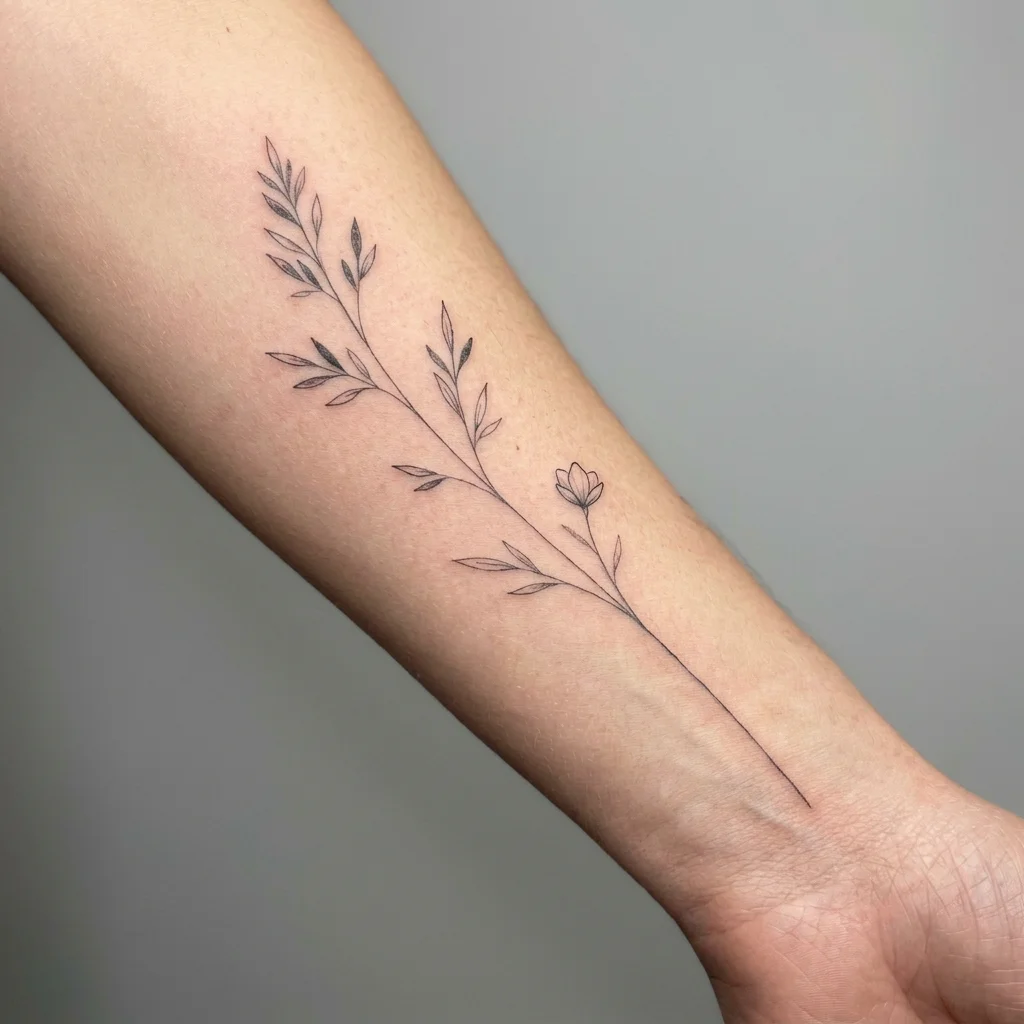
Fine line tattooing uses single-needle or very thin groupings of needles to create delicate, precise marks with minimal shading and no bold outlines. The style has exploded in popularity over the last five years · partly because of social media, partly because Nashville attracts a crowd that gravitates toward understated elegance over flash.
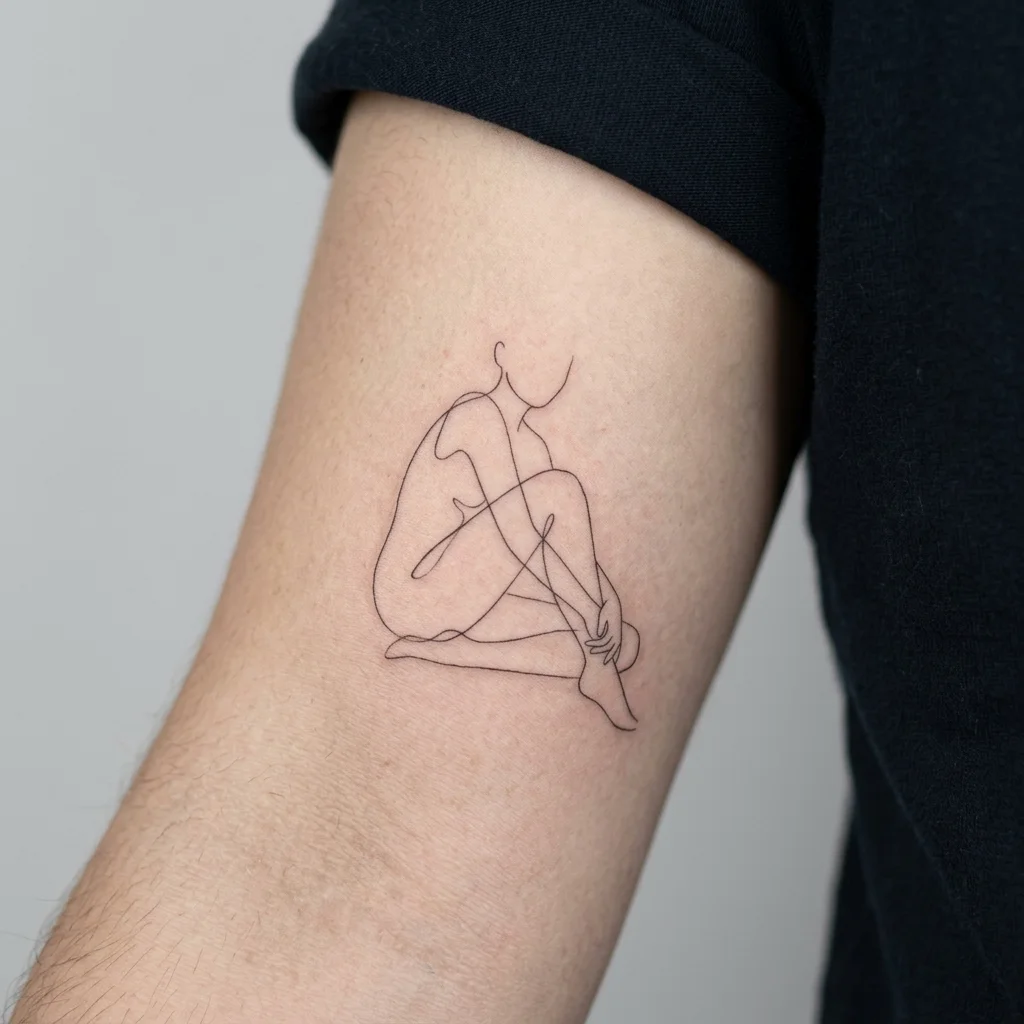
But here is what most people do not understand: fine line is technically the most demanding style to execute well. The thinner the line, the less room for error. A 1mm variation in needle depth changes everything. Ink saturation, skin tension, the angle of the machine · every variable matters more than it does in traditional tattooing, where bold lines and heavy packing are more forgiving.
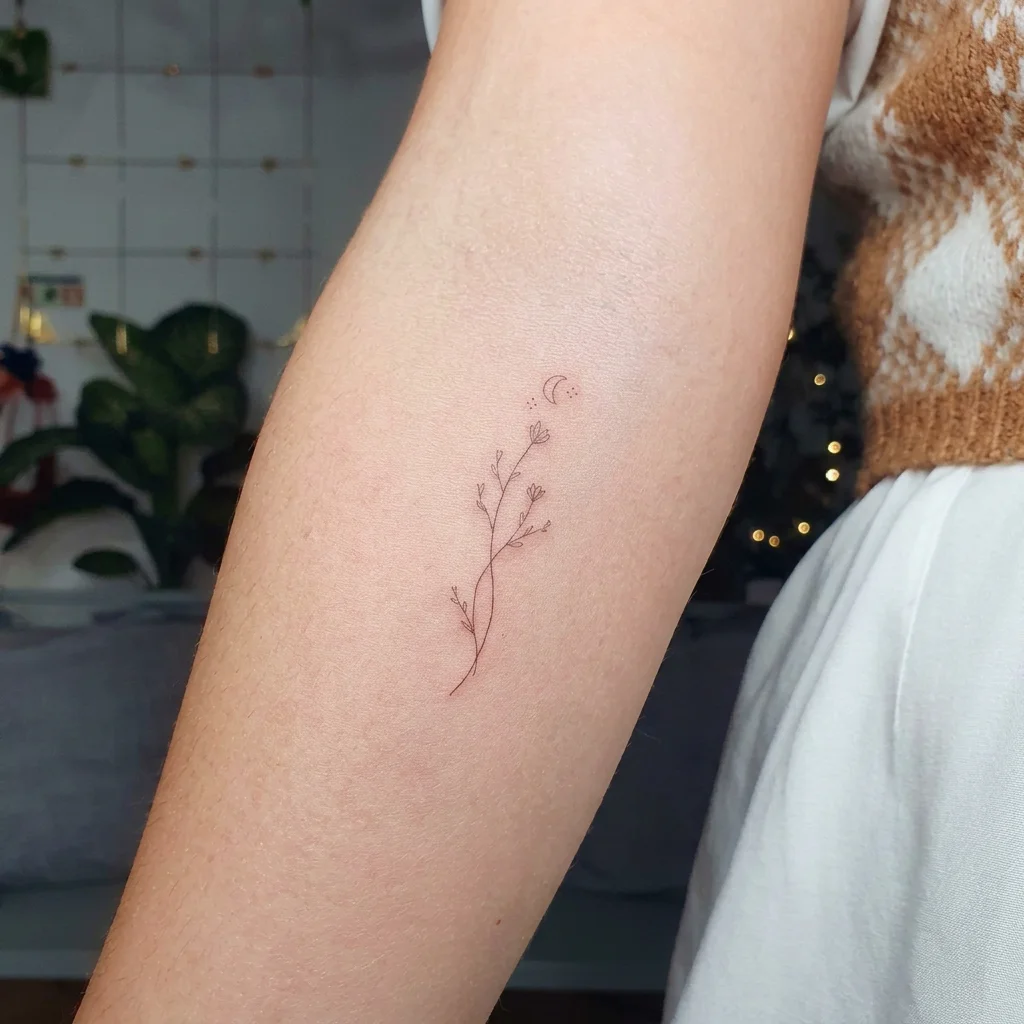
Artists like Natasha Rachel and Sophie at Someone's Weird Sister have spent years developing the hand control and skin-reading ability that fine line demands. That is not something you acquire after a few months of tattooing. When you are choosing a fine line artist in Nashville, experience in the specific style is the only thing that matters.
"Fine line is not a simpler version of tattooing. It is a more demanding one. Every millimeter is exposed."
The Longevity Question
HOW FINE LINE AGES the honest answer
This is the conversation most Nashville shops avoid having before you book. Fine line tattoos age differently than bold work · and if nobody tells you this upfront, you will be disappointed five years from now.
The good news: fine line done correctly by a skilled artist, on the right placement, healed properly, and protected from sun exposure can look exceptional for a decade or more. The bad news: fine line done by someone who is not a specialist, placed in a high-movement or sun-exposed area, or healed carelessly will begin to blur and grey out within two to four years.
UPPER ARM AND FOREARM
Consistent skin thickness, relatively low movement, easy to protect from sun. The most reliable placement for fine line longevity. Ink stays put and lines stay crisp.
UPPER BACK AND SHOULDER BLADE
Low sun exposure in daily life, minimal skin stretching. Fine line florals, landscapes, and script hold their detail here longer than almost anywhere else on the body.
FINGERS AND HANDS
Finger tattoos fade fast regardless of style · fine line disappears fastest. The skin on fingers regenerates constantly and takes ink inconsistently. Most fine line artists will advise against this placement entirely.
INNER WRIST AND ANKLE
High sun exposure, constant flexion, and thin skin over tendons make these placements challenging for fine line. Not impossible with the right artist, but expect more fading and possible touch-up needs within five years.
If longevity is a priority for you, discuss placement honestly with your artist before committing. Our Nashville aftercare guide also covers the sun protection habits that make the biggest long-term difference.
Style Within a Style
TYPES OF FINE LINE which one fits your idea?
Fine line is not one look. It is a technique that supports several distinct aesthetics. Understanding which direction fits your idea helps you find the right artist and communicate clearly in your consultation.
| Style | What It Looks Like | Best For |
|---|---|---|
| Single Needle | Extremely fine, almost etched quality. Minimal shading, high precision | Text, botanical details, portraits, micro work |
| Fine Line Illustrative | Delicate lines with light watercolor-style shading. Feels like ink on paper | Florals, animals, storytelling pieces, custom concepts |
| Fine Line Geometric | Precise shapes, mandalas, sacred geometry. Symmetry-focused | Forearm, sternum, spine placements with strong visual structure |
| Micro Realism | Photorealistic subjects executed at small scale with fine needle work | Portraits, landscapes, objects with high detail at 2 to 4 inches |
| Fine Line Script | Handwritten or serif lettering in thin strokes, often with minimal decoration | Quotes, names, dates · placement matters enormously for readability |
Natasha Rachel works primarily in fine line illustrative and single needle · her botanical and figurative work has a distinctive hand-drawn quality that photographs exceptionally well. Sophie brings an illustrative sensibility that blurs the line between fine line and neo-traditional, creating work with more visual weight but the same precision at the line level.
What to Ask
BEFORE YOU BOOK the questions that matter
Booking a fine line tattoo in Nashville without doing your research first is how people end up with work they regret. The consultation is your most important tool. Here is exactly what to ask and what the answers should tell you.
ASK TO SEE HEALED WORK
Fresh fine line looks sharp on almost everyone. What you need to see is work that is 12 to 18 months old. Healed work reveals whether the lines stayed crisp or began to blur · that is the real test of a fine line specialist. Any artist who cannot show you healed examples is a risk.
ASK ABOUT MINIMUM SIZE
Legitimate fine line artists have minimum sizes for specific elements. Lettering that is too small to hold ink over time, faces that are too small to age well, flowers with too many petals crammed into too small a space · these are design problems disguised as aesthetic choices. If an artist agrees to everything with no pushback, that is a red flag.
ASK ABOUT THEIR NEEDLE SETUP
A fine line specialist should be able to tell you exactly what needle configuration they use and why. Single needle, 3RL, 5RL · these are not details they should need to think about. If an artist is vague about their technical setup, they are probably not a specialist in the style.
ASK ABOUT TOUCH-UP POLICY
Fine line tattoos sometimes need a touch-up after healing, even when done well. A confident artist will offer a free or low-cost touch-up within a specific window after your session. If a shop has no touch-up policy at all, it says something about how they stand behind their work.
Skip the Research
WE ALREADY DID IT FOR YOU
Tell us your fine line idea and we will match you with the right Nashville artist. Consultation, no commitment.
Find My Fine Line ArtistNashville Fine Line Artists
WHO WE RECOMMEND and why
These are the Nashville artists we trust for fine line work. Each one has been evaluated on healed work, technique, client communication, and specialization. We do not list artists who do fine line as a side style · only those for whom it is a genuine focus.
Fine Line · Black and Grey · Illustrative
Eric Axle
Eric works in clean fine line and black and grey illustrative work, from botanical pieces to detailed animal portraits, all built for a lifetime.
Fine Line · Illustrative · Single Needle
Natasha Rachel
Nashville's most recognized fine line specialist. Her botanical and figurative work has a clarity and consistency that comes from years of focused practice in the style. Bookings fill weeks out.
Fine Line · Illustrative · Neo-Traditional
Sophie · Someone's Weird Sister
Sophie brings a storytelling quality to fine line that sets her apart. Her characters and illustrative scenes have weight and personality without sacrificing the delicacy of the style.
Traditional · Black and Grey · Color
Kenny Wright
Kenny brings fine precision to his line work across traditional and black and grey styles. His clean execution and bold compositions translate well to fine line-adjacent work for clients who want detail without going full minimalist.
Full profile coming soon
Reviewed by a tattoo artist specializing in fine line and single-needle work, who regularly advises clients on placement, longevity, and what separates lasting fine line from ink that fades within a few years.
FAQ
FINE LINE QUESTIONS answered honestly
How much does a fine line tattoo cost in Nashville?
Fine line from a specialist in Nashville starts around $200 for small pieces and climbs quickly with size and complexity. Natasha Rachel and Sophie both command rates that reflect their demand and skill level. Expect $300 to $600 for medium custom work. Full breakdown in our Nashville tattoo cost guide.
Is fine line more painful than other styles?
Generally no · and often less. Single needle work moves quickly across the skin without the repeated passes that fill work requires. Placement matters more than style when it comes to pain. Ribs, sternum, and spine hurt regardless of technique. Our pain guide covers this in full.
Will my fine line tattoo need a touch-up?
Possibly. Even well-executed fine line can have small areas where ink did not fully set during healing. A touch-up within six to eight weeks of your session, before the skin has fully settled, is common and usually quick. This is normal · not a sign of poor work. Ask your artist about their touch-up policy before you book.
Can fine line tattoos be covered up later?
Yes, and more easily than bold work. Because fine line has less ink saturation, it makes a better base for cover-up work down the line if your tastes change. That said, faded fine line that has spread is harder to cover cleanly than crisp, well-healed fine line. Proper aftercare protects your options. See our cover-up guide for more.
How do I prepare for a fine line appointment?
Same fundamentals as any tattoo session · eat a proper meal beforehand, stay hydrated, wear clothing that gives easy access to the placement. For fine line specifically: moisturize the area for a few days before your appointment. Well-hydrated skin takes ink more evenly, which is especially important for thin line work. See our first tattoo guide for a full day-of checklist.
Is fine line suitable for dark skin tones?
Fine line on deeper skin tones requires an artist with specific experience in that area. Ink visibility varies with skin tone, and the needle depth and saturation approach needs to adjust accordingly. When consulting with an artist, ask directly to see fine line work they have done on skin similar to yours. An artist who cannot show you relevant healed examples is not the right choice for this.